
COMPERSION
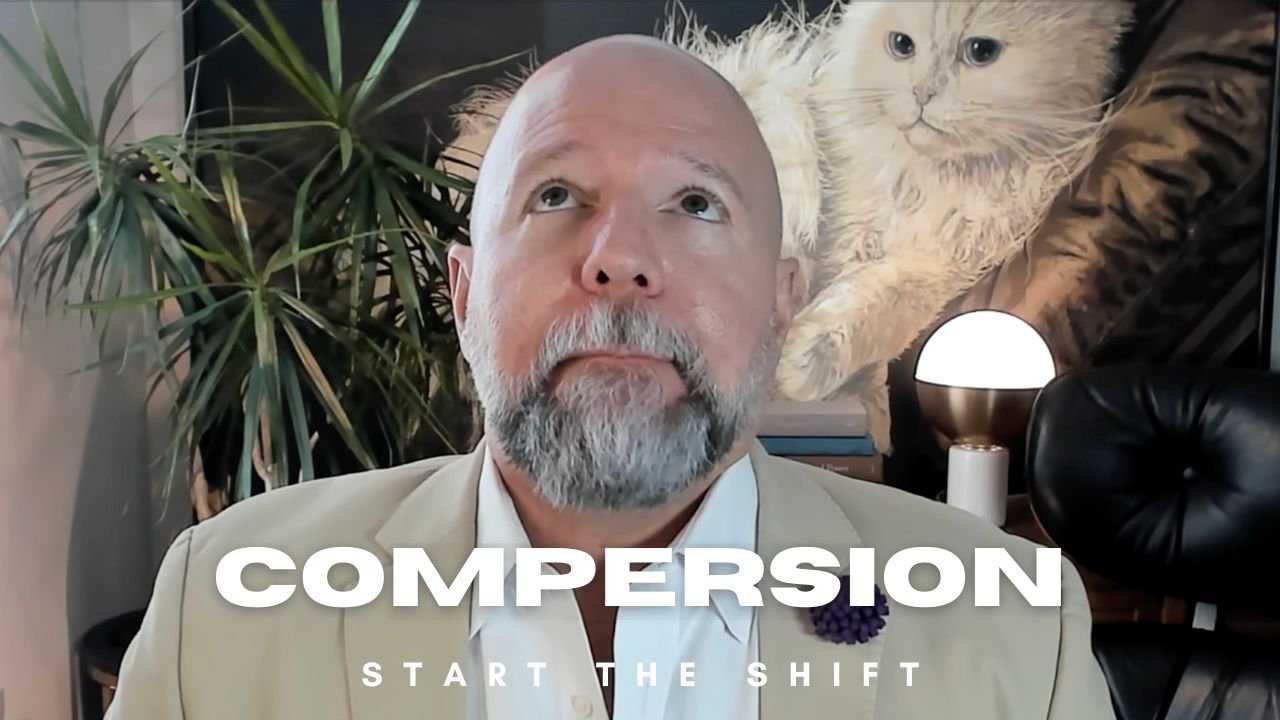
Compersion: The Leadership Skill Nobody Talks About
Most leadership breakdowns are blamed on ego, control, or misalignment. But underneath many of those issues is something simpler and harder to admit: discomfort when someone finds fulfillment that does not involve us.
There is a concept that helps untangle this. It is called compersion.
The term was coined in the mid nineteen seventies in a San Francisco commune and is often described as the opposite of jealousy. Compersion means feeling genuine happiness for someone else’s joy, even when you are not the source of it.
Imagine your partner loves something you actively dislike. Opera, for example. You do not want to attend. You do not want to participate. You would rather do almost anything else. Compersion does not require you to suddenly love opera. It simply asks that you can be happy that opera brings your partner joy.
That same dynamic shows up everywhere in leadership and culture.
Employees find meaning in projects you did not design.
Colleagues thrive in directions you would never choose.
Team members grow beyond roles that once depended on you.
Without compersion, those moments quietly turn into resentment, jealousy, or control. With compersion, they become trust.
Practicing compersion does not mean disengaging. It means releasing the idea that all fulfillment must run through you to be valid. It allows leaders to support growth without needing credit. It allows relationships to breathe without threat.
In organizations, compersion shows up as leaders who celebrate wins they did not orchestrate. In relationships, it looks like support without comparison. In culture, it creates safety without ownership.
Compersion is not passive. It is a skill. One that requires emotional maturity, self awareness, and confidence in your own value.
When you practice it, everything shifts.
Watch the video to explore this idea more deeply. Share your thoughts in the comments. And if you are looking for a speaker who brings emotional intelligence frameworks to leadership stages, I would love to talk.